Why comparing ourselves to others takes us out of our authenticity
In case you missed it, my second book is coming on 10/27! Until then, I’m taking you behind the scenes of some of the biggest lessons I learned while bringing it to life.
Today is all about how I learned to protect my authenticity and trust my own process—and the story starts in my own neighborhood.
Writing, for me, is such a deep experience. I’ve found that writing something that matters requires you to be so connected to yourself and so lit up about what you’re writing.
Once I was ready to start writing Book #2, I tried waking up in the morning and going straight to my computer. I’d heard that’s a trick that works for plenty of people, but I couldn’t just sit down and start typing. I needed something to get me in the “mood.”
I love going for long walks, which is where I do some of my deepest thinking. So instead of going straight to my office in the mornings, I gave myself permission to go on long, meandering strolls around my neighborhood for at least an hour to an hour and a half. Only after I got home and showered would I sit down to write for several hours.
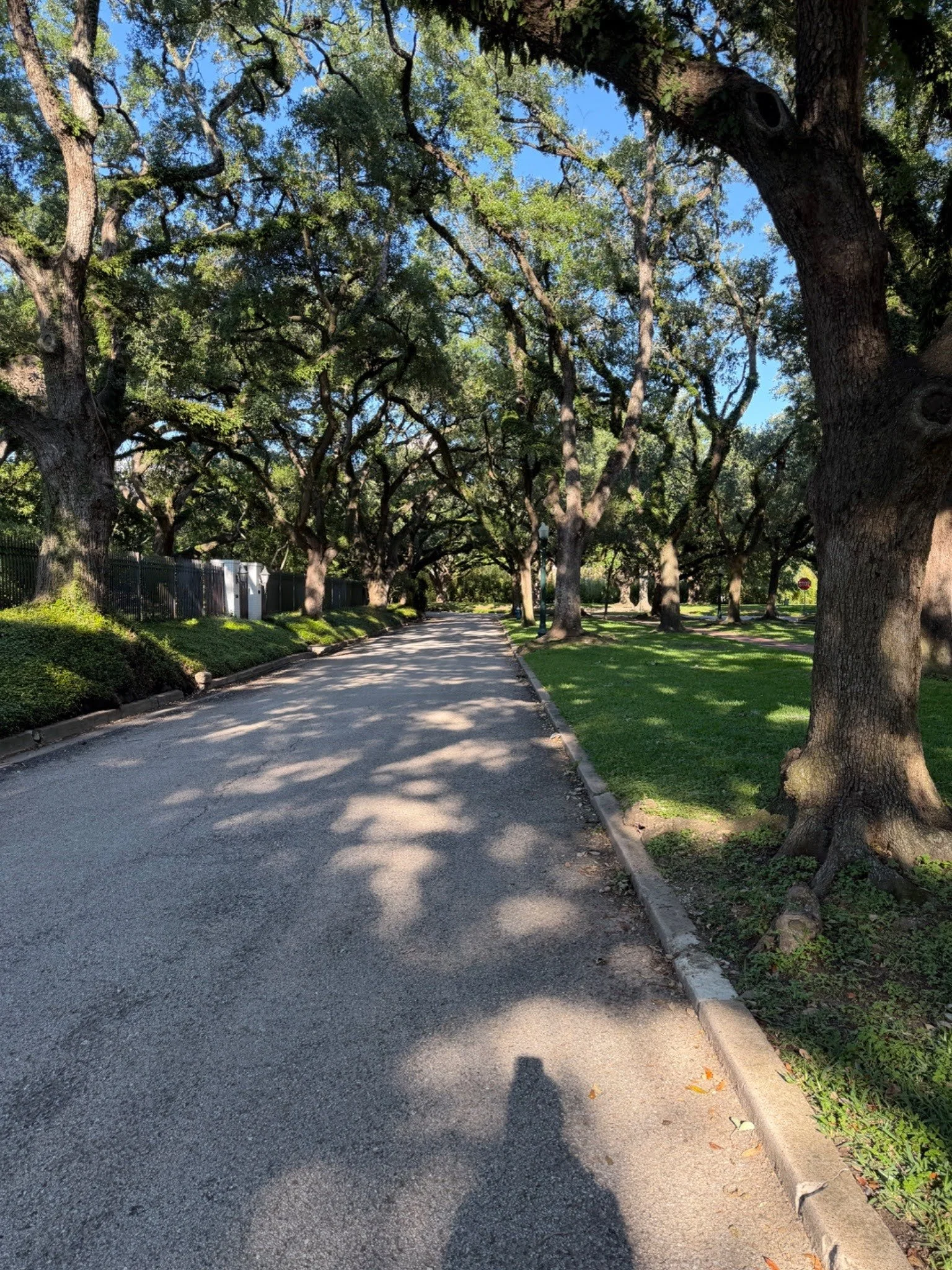
My favorite place to walk—my neighborhood
These “writing walks,” as I called them, were the first step to getting in my flow state.
It wasn’t just the ritual of putting my feet to pavement each day that helped me. To make my writing walks more impactful, I decided to combine them with something else that inspires me: listening to other authors explain their own writing rituals. Writing a book is daunting and can feel extremely lonely, and I found comfort in learning how other writers navigated the experience.
On most of my walks, I listened to the Writer’s Routine podcast by Dan Simpson. In each episode, Dan interviews a writer about how they approach their work. The authors span all genres—fiction, nonfiction, horror, history. Some have been writing for years, and some are new to their craft. Some have multiple bestsellers and names you would recognize, and some don’t. I couldn’t get enough of it.
Dan asks guests to share everything from what their writing space looks like, to exactly what is on their desks, to the types of fonts they use when they type. He asks them how they prepare for a writing session and how they unwind at the end of it. And, of course, he asks them how they get through writer’s block.
When I first started working on the manuscript for my second book, listening to these interviews really helped me. It fascinated me how each person had an entirely different way of approaching their work. It made me feel less alone to know that even those who had been writing for years still got writer’s block. Listening to an episode or two on my walks always fired me up and got me ready to write by the time I got home. I felt connected to these writers even though I’d never met them, and that connection reminded me that if other people could write books, I could, too.
But then, I listened to an episode that didn’t make me feel that way. In fact, it made me start to question everything I was doing.
I remember that day so clearly.
I was in the middle of an intense writing sprint. I’d booked myself a room at a hotel near my home for two weeks so that I could have an uninterrupted writing staycation and immerse myself in a creative bubble away from the world. The pressure was on: My deadline to turn in the first draft of the manuscript was just weeks away.
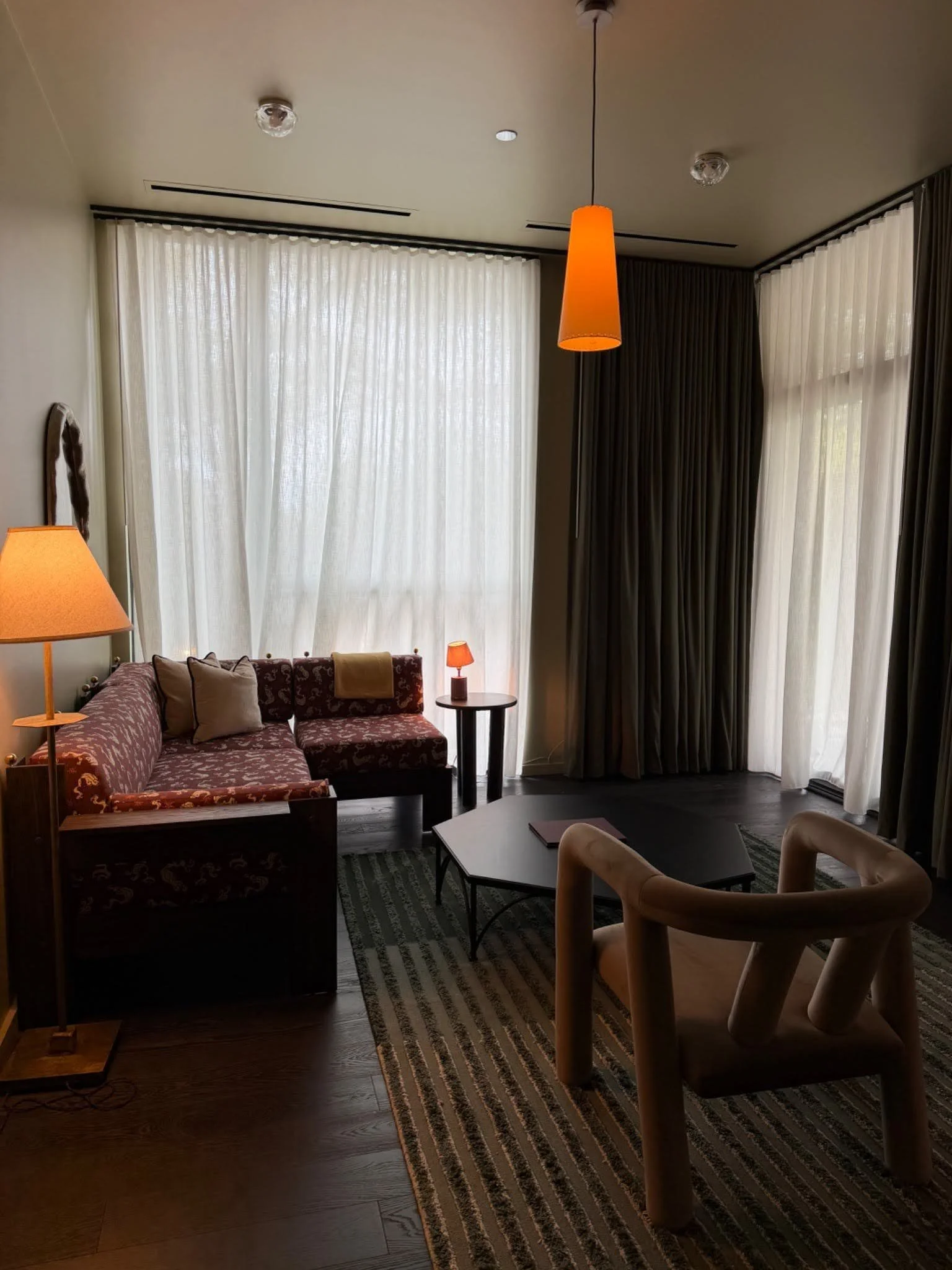
The hotel where I stayed for two weeks
On this particular day, I went for a walk as I usually did and listened to an episode of Writer’s Routine.
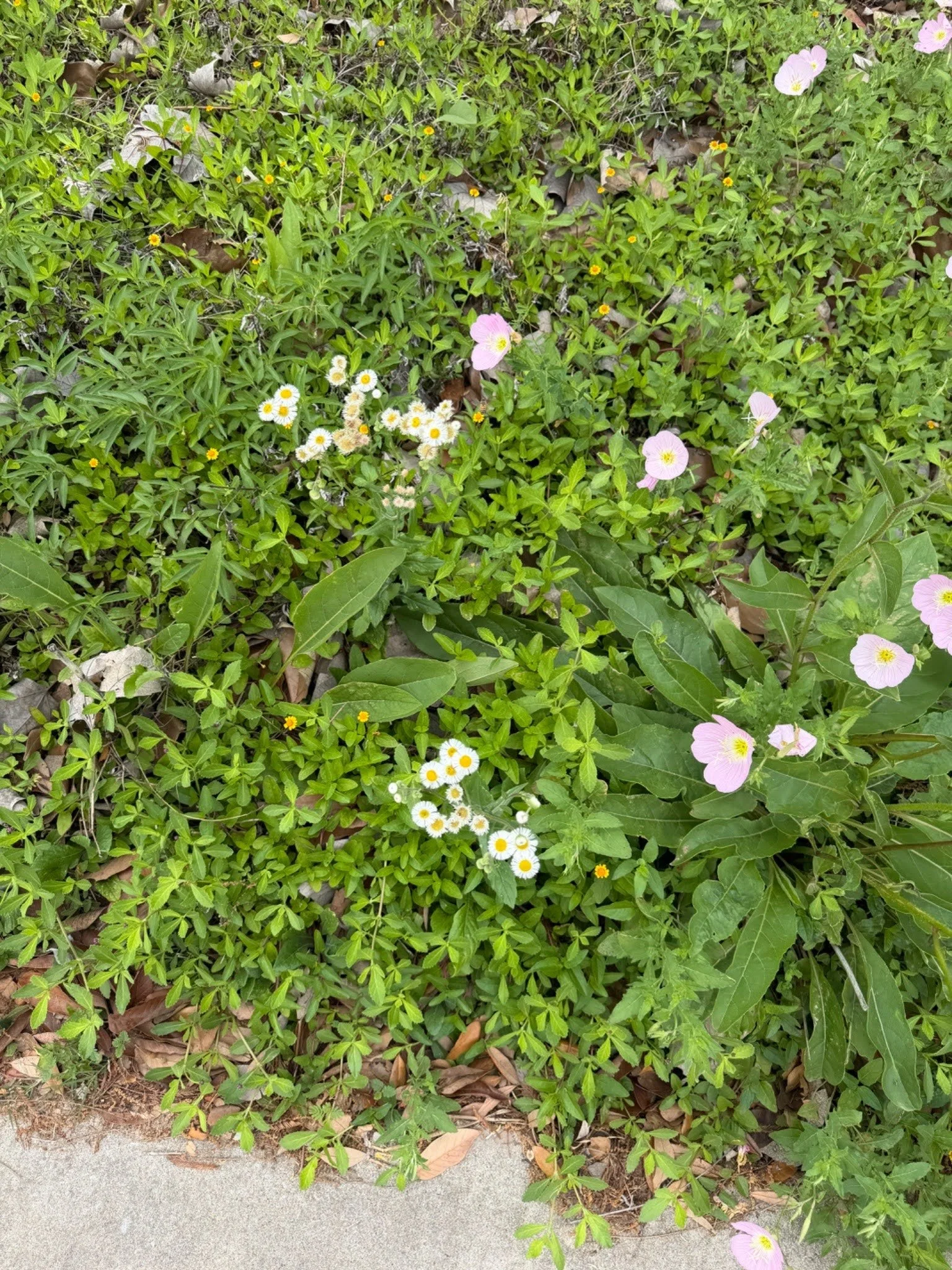
The walk started out inspiring. I remember taking pictures of these flowers thinking I’d have a great writing day.
I don’t remember who Dan interviewed in this episode, but I do remember that she was incredibly accomplished with multiple bestsellers under her belt. I started off feeling inspired as she described her writing space as a cozy office in her home, surrounded by the books she’d written as a constant reminder to herself that she had published books before and there was no reason she couldn’t do it again.
But when she started to talk about how she approaches her word count and deadlines, my feelings began to change.
When you write a manuscript—and especially when you have a contract with a publisher—you’re usually given a word count you have to hit in addition to a deadline. In previous interviews, I’d heard from authors who stuck to strict word counts each day no matter what, some who followed their flow regardless of how many or how few words they wrote, and some who did something in between.
This author talked about how she sees writing as a job, and she takes it seriously. She said she writes for eight hours every day and has a minimum word count she must hit before she allows herself to walk away from her desk. She talked about creating multiple drafts of her work before she submits something to her publisher, and she said that in all of her years as an author, she had submitted her manuscripts early.
As I listened, all I could think about was how my approach to writing looked nothing like hers.
For one thing, my schedule was unpredictable. I knew there was no way I could write for eight hours every day, not just because of my speaking engagements and travel, but because I lead a company. Writing wasn’t my primary responsibility, even in a season of book-writing, and setting a daily word count had never worked for me. Most days, I was lucky to find time to write any words at all.
At that point in the process, I had more than 50% of my manuscript left to write and not a lot of time left to write it. Submitting to my publisher early was out of the question—and with each passing day, submitting on time was looking more and more out of the question, too.
By the time I finished my walk, I felt defeated. I felt like I wasn’t a “real” writer because I wasn’t taking it seriously enough, and I came down hard on myself for the careless way I’d approached this book so far. I told myself that my book wouldn’t be any good because I didn’t have the time to make it good. I even contemplated calling my publisher and pulling the plug altogether.
Luckily, I had therapy that day (another writing ritual of mine: I kept up with therapy as I wrote the book, and it became such an important outlet for me. I’ll dive into that deeper as the weeks go on).
I told my therapist about the podcast and how defeated it had made me feel. I shared that I was disappointed in myself for being so behind.
Almost immediately, my therapist said, “Kristen, you’ve been talking about this book for two years. Do you realize how many of our calls have centered on you working through its themes?”
Hmm, I thought. Okay, fair. I had been talking about this book with her for a long time.
“Don’t you think that all of that thinking time counts as working on it?” she asked.
Her question made me see things differently. I realized that I had only considered my actual writing time as “working” on the book. But my therapist was right: There’s a lot more to writing a book than the actual writing. I hadn’t factored in all the proposals I’d written. All the walks I’d taken while lost in thought. The night of the creative jam in my office. The calls I had with my therapist, with creative coaches, with my team. When I looked at it that way, I’d been working on this book for years.
“When I first asked you how you were going to write this book,” she went on, “you told me that you were going to write it in a few weeks. Do you remember that?”
I did remember. I’d told her that I’d spent so much time thinking through the book and everything I wanted it to be that the actual writing would be a breeze. That’s my approach to anything creative: I spend a lot of time thinking until I feel really, really clear on what I want it to be. And once I reach that point, the words just pour out of me. I don’t know how else to describe it. I can get a lot done in a really short amount of time when I’m clear.
“Stay true to yourself, and write this book the way you know how to,” she encouraged me.
By the end of that call, I believed in myself again. And four weeks later, I submitted a complete first draft of my manuscript. It was a little late, but my publisher fully supported it. They wanted me to write the book in my most authentic way, too.
The best part? When I sent it in, I knew I’d written the book I’d been seeing in my dreams. And I had done it exactly the way I wanted to from the very beginning.
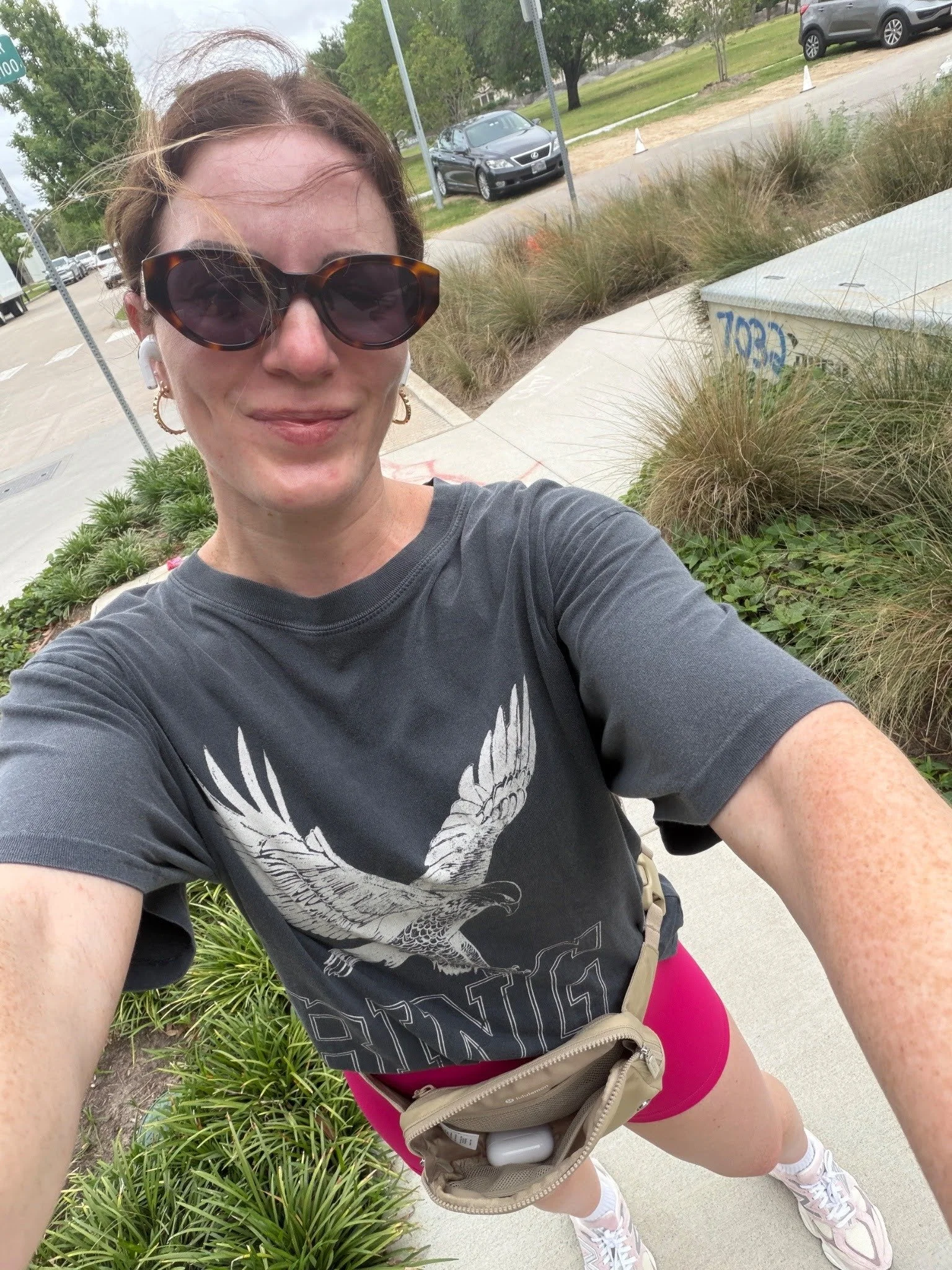
By the end of our conversation, I believed in myself again
I learned an important lesson that day: There’s no point in comparing myself to other authors. Or other people, period.
We each have our own authentic way of arriving at our goals. What might work for some doesn’t work for me or you, and vice versa.
How often do we compare ourselves to other people? How often do we measure our own success by the way other people achieve it? How often do we tell ourselves stories about how ahead or behind we are on something because we’re using other people as benchmarks?
Writing this book taught me that comparing ourselves to others pulls us away from our authenticity. We take ourselves out of our flow. We knock down our own belief in ourselves.
The only person we should measure ourselves against is ourselves. Hearing about what other people do can be inspiring—I still listen to Writer’s Routine—but I no longer measure myself against those people. I saw how quickly that sucked me into a negative thought spiral, and I never want to get stuck there again. I learned the power of trusting myself, my process, and my own way of doing things.
What do you think about all of this? What has this post brought up for you? And when is the last time you noticed yourself comparing yourself to someone else? How did it help you? What did it cost you?
I’d love to know your answers. Hit “reply” and tell me and my team all about it. I have a hunch that I’m not alone on this one.
Comparison is human nature. But our real power comes from trusting ourselves and marching to the beat of our own drums, no matter what goal we’re working toward.
You’ve got this, friend. You really do!
See you here next week for another lesson. And if you haven’t pre-ordered your copy of the book yet, it would mean the world to me if you could do so here!
Big hugs,